Protecting Life at the Heartbeat: A State-by-State Breakdown of America's Fetal Protection Laws Post-Dobbs
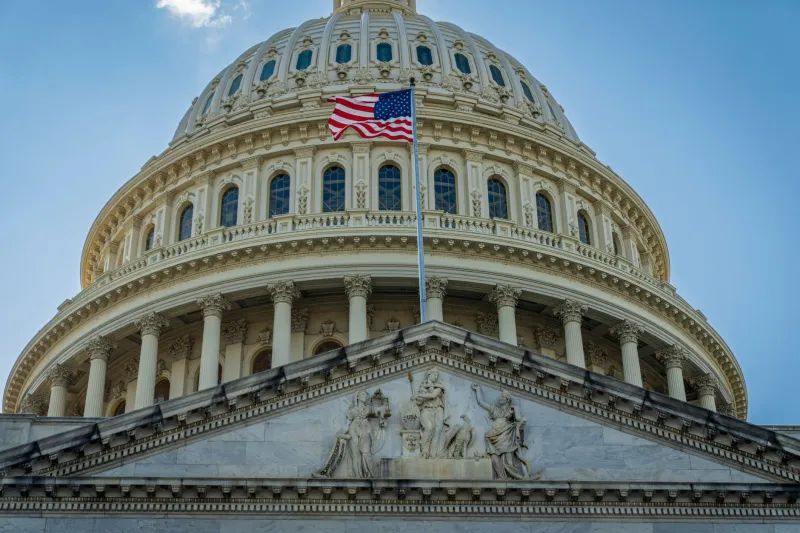
The Supreme Court's June 2022 ruling in Dobbs v. Jackson Women's Health Organization did not end the fight for life in America — it fundamentally transformed it. By returning the authority to regulate abortion to individual states, the Court opened a new chapter in the pro-life movement, one defined by legislative action, state-level strategy, and the real possibility of meaningful protection for unborn children across much of the country.
At the center of this legislative renaissance are heartbeat bills — statutes that prohibit abortion once a fetal heartbeat is detectable, typically around six weeks of gestation. Combined with gestational limits, trigger laws, and near-total protective statutes, these measures represent the most significant advancement in pro-life law in a generation. This guide provides a clear-eyed assessment of where the law stands, what is working, and how advocates can leverage these models effectively.
What Is a Heartbeat Bill?
A heartbeat bill, formally known in many states as a fetal heartbeat protection act, prohibits the performance of an abortion after cardiac activity is detectable in the developing embryo. Medical evidence confirms that this cardiac activity — the rhythmic electrical impulses that will eventually become a fully functioning heartbeat — can be detected via transvaginal ultrasound as early as six weeks after the last menstrual period.
Critics of these laws frequently argue that a six-week embryo does not yet have a "heart" in the fully developed sense. Pro-life advocates correctly respond that this objection is largely semantic: the biological reality of detectable cardiac activity at this stage of development is not in dispute. What is at stake is whether that activity — and the life it represents — deserves legal protection.
Heartbeat bills do not stand alone. They form part of a broader legislative framework that includes gestational bans at 12, 15, or 20 weeks; trigger laws that took effect upon the Dobbs ruling; and, in some states, near-total prohibitions on abortion with limited medical exceptions.
States Leading the Way: A Legislative Landscape
Texas was among the first states to successfully enforce a heartbeat law, with Senate Bill 8 taking effect in September 2021. The law's innovative civil enforcement mechanism — allowing private citizens rather than state officials to bring legal action — helped it withstand early legal challenges and served as a model for other states.
Georgia's Living Infants Fairness and Equality (LIFE) Act prohibits abortion after approximately six weeks of gestation and additionally grants legal personhood recognition to unborn children, with implications for child support, tax filing status, and wrongful death law. The statute represents one of the most comprehensive approaches to fetal protection in the country.
Florida enacted a 15-week ban in 2022, subsequently strengthened to a six-week heartbeat protection in 2023 under Governor Ron DeSantis. The state's incremental approach — building political consensus before advancing to stronger protections — offers a replicable model for advocates in competitive states.
Tennessee, Idaho, and Wyoming enacted trigger laws that banned nearly all abortions upon the issuance of the Dobbs decision, reflecting the legislative groundwork that pro-life advocates had been laying for years in anticipation of the ruling.
Mississippi, whose 15-week gestational limit was the direct subject of the Dobbs case, now enforces a near-total abortion ban under its trigger law, with exceptions only for life-threatening medical emergencies and rape reported to law enforcement.
Missouri, Arkansas, Oklahoma, South Dakota, and Alabama similarly moved swiftly to enact comprehensive protective statutes following Dobbs, establishing some of the strongest legal protections for unborn life in the nation.
Which Approaches Are Proving Most Effective?
Pro-life policy analysts have closely tracked abortion data since Dobbs, and the findings are encouraging. States with the most comprehensive protective statutes have seen dramatic reductions in the number of abortions performed within their borders. A 2023 report from the Society of Family Planning — which tracks abortion incidence — documented significant declines in abortion procedures in states with six-week or near-total bans, even as overall national abortion numbers remained elevated due to increased travel to permissive states.
Several key factors distinguish the most effective legislative approaches:
Clear and enforceable language. Laws that define terms precisely — specifying gestational age measurement, the medical standard for detecting cardiac activity, and the scope of permitted exceptions — are far less vulnerable to judicial challenge and prosecutorial ambiguity.
Robust enforcement mechanisms. Texas's civil enforcement model demonstrated that creative legal architecture can protect a statute from the injunctive relief that has historically blocked pro-life laws before they take effect.
Complementary support infrastructure. States that pair protective legislation with increased funding for pregnancy resource centers, maternal health programs, and adoption services create a more complete culture of life — and respond effectively to the left's charge that pro-life advocates do not care about mothers.
Incremental consensus-building where necessary. In states where political conditions do not yet support a near-total ban, gestational limits at 12 or 15 weeks have proven effective at building public support and establishing legislative precedent for stronger future protections.
The Ongoing Legal Battle
It would be misleading to suggest that the post-Dobbs legislative landscape is without challenge. Pro-abortion forces have responded aggressively, pursuing litigation in state courts under state constitutional provisions, funding ballot initiatives to enshrine abortion access in state constitutions, and lobbying the Biden administration to expand access to chemical abortion medications through the mail.
Several states — including Kansas, Kentucky, and Montana — have seen state supreme courts or voters complicate the legislative picture. These setbacks underscore the importance of a multi-pronged strategy that includes judicial appointments, constitutional amendments, and sustained public education alongside legislative advocacy.
Talking Points for Pro-Life Advocates
For activists working to advance heartbeat bills and fetal protection laws in their own states, the following arguments have proven most persuasive with undecided audiences:
- Science supports protection. Detectable cardiac activity at six weeks is a biological fact, not a political assertion. Asking legislators to ignore that reality is asking them to deny science.
- The public supports reasonable limits. Consistent polling shows that a majority of Americans — including many who identify as pro-choice — support restrictions on abortion after the first trimester. Heartbeat bills align with the moral intuitions of a broad cross-section of the public.
- Other states are succeeding. Pointing to concrete data from Texas, Florida, and Georgia demonstrates that these laws work and that the dire predictions of abortion advocates have not materialized.
- Support services exist. Effective advocates couple their legislative push with visible support for pregnancy resource centers and maternal assistance programs, demonstrating that the pro-life commitment extends beyond the womb.
The Dobbs decision was not a finish line. It was a starting gun. The work of building a culture and a legal framework that protects every human life from conception forward continues — state by state, bill by bill, and heart by beating heart.